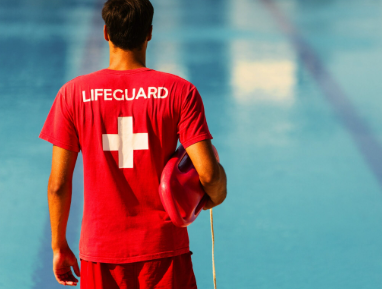
The lifeguard shortage is now a national crisis rather than a seasonal inconvenience. We witness the effect in shuttered aquatic parks, Swim at Your Own Risk signs on beaches, and reduced pool hours. This is a direct threat to community safety, not only a nuisance. Inside this crisis, however, is a chance. The answer is a proactive, all-inclusive dedication to greatly grow and advocate excellent, reasonably priced lifeguard training. This is how we change the course of events.
Why Has the Lifeguard Shortage Become So Severe?
One must first grasp the roots of a difficulty before one may fix it. The dearth of lifeguards is a complex problem. An aging population of veteran guards, cutthroat employment markets providing comparable earnings for less duty, and the lingering effects of closures during the epidemic-era that broke the pipeline of fresh hires all came together. The difficulty then is a lack of awareness, access, and encouragement to start the journey rather than a shortage of possible lifeguards. This is where our most effective instrument becomes a strategic change in perspective and promotion of lifeguard training.
What Does Modern Lifeguard Training Truly Offer?
Modern lifeguard training goes far beyond just acquiring rescue skills. It is a transforming program that develops community leaders, instils unmatched confidence, and imparts talents that go far beyond the pool deck. A good course is a crucible for honing profound individual accountability, quick decisions under pressure, teamwork, and critical thinking. Participants start on a journey of self-betterment, not only learn CPR or how to use a rescue tube.
They come out with a strengthened character in addition to an important credential. The lifeguard certification is a mark of honor indicating that someone has been tested and shown to be able to save the lives of others. Reframing the training as an investment in leadership and life-long abilities will help us draw a wider, more varied group of applicants seeking significant job experience.
How Can We Remove Barriers to Lifeguard Certification?
Closing the lifeguard gap calls for really accessible training. Communities, aquatic facilities, and companies must act by eradicating obstacles. To accommodate hectic schedules, we require flexible class times, evenings and weekends. We need financial strategies like tuition payback and earn-while-you- learn schemes.
We also need to actively seek from underutilized sources: excellent swimmers on school teams, committed fitness enthusiasts, and seniors looking for meaningful jobs. Simple is our pledge: should you wish to swim, we will provide you with the tools and help needed to flourish. All set to go? Register here to start your new route.
see also: Heavy-Duty Fastening Redefined – Milwaukee M18ONEFHIWF34-0 18V FUEL ONE-KEY 3/4″ Impact Wrench
Who Benefits When We Invest in New Lifeguards?
The advantages of a strong lifeguard education program spread outward to build a virtuous cycle that elevates the whole community. First of all, and most most vital, public safety returns. Enough personnel ensures that alert, well-rested guards may maintain the constant monitoring preventing catastrophes. Second, it offers next-generation jobs teaching accountability, punctuality, and customer service—soft skills highly valued in any future career.
For the actual aquatic amenities, a constant supply of qualified guards guarantees operational stability, better public relations, and the power to completely meet the recreational and fitness demands of the local population. Every citizen eventually gets access to secure, overseen aquatic areas where families may make memories without excessive anxiety.
Where Can You Find Trusted and Comprehensive Training?
Choosing the correct supplier is of utmost importance in a field where the quality of training has direct effects on safety. Programs that are nationally known, follow the strictest current guidelines, and are taught by knowledgeable, enthusiastic instructors should be sought after by prospective lifeguards. The American Lifeguard Association (ALA) is a major player in this field.
Ensuring graduates are not only certified but also completely ready for the demands of the workplace, their courses are developed to be interesting, thorough, and centred on real-world applicability. Pursuing an ALA lifeguard certification allows one to match oneself with a criterion of excellence and a dedication to the highest standards of aquatic safety.
The lack of lifeguards is a problem we can address. Expecting candidates to appear would not solve it; rather, purposefully producing them via focused, kind, extensive lifeguard training programs will. Investing in people is essentially investing in the energy and security of our society. Let’s alter the narrative from lack to opportunity and open the gates for a fresh surge of certified guardians to take their stand. The water is waiting.