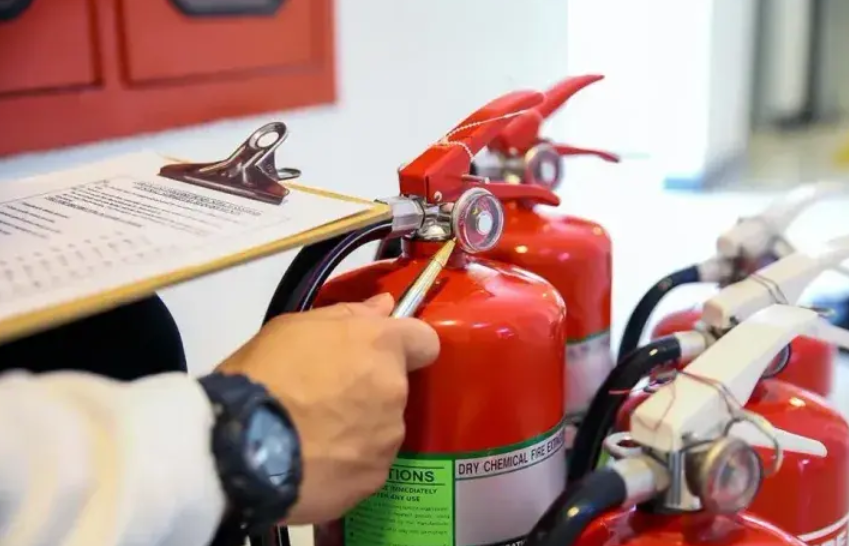
Fires can occur suddenly and have devastating consequences, from injuries and fatalities to extensive property damage. Conducting a Fire Risk Assessment is essential for any organization, building, or workplace to ensure safety, minimize risks, and comply with fire safety regulations.
What is a Fire Risk Assessment?
A Fire Risk Assessment is a structured process for identifying potential fire hazards, evaluating the associated risks, and implementing measures to prevent fire incidents or reduce their impact. The goal is to protect people, safeguard property, and maintain operational continuity. Regular assessments help organizations stay proactive and prepared.
Importance of Fire Risk Assessment
Fire risk assessments are critical for several reasons:
- Protection of Life: The primary goal is to ensure the safety of employees, visitors, and contractors.
- Property Protection: Fires can destroy buildings, equipment, and inventory; risk assessment helps reduce this damage.
- Legal Compliance: Many countries require organizations to conduct fire risk assessments to meet safety regulations.
- Business Continuity: Preventing fires ensures uninterrupted operations and reduces financial losses.
- Insurance Requirements: Insurers may request a documented fire risk assessment as part of policy compliance.
See also: What Are the Biggest Mistakes to Avoid When Building a New Home?
Steps in Conducting a Fire Risk Assessment
A systematic approach is necessary to ensure all risks are identified and controlled:
1. Identify Fire Hazards
The first step is to identify potential fire hazards in the workplace, such as:
- Faulty electrical wiring and malfunctioning appliances
- Flammable liquids, gases, and chemicals
- Combustible materials like paper, textiles, and wood
- Heating devices, cooking equipment, and open flames
2. Identify People at Risk
Next, determine who could be affected if a fire occurs:
- Employees and staff
- Visitors and customers
- Contractors and maintenance personnel
- Vulnerable individuals, such as children, elderly, or disabled people
3. Evaluate Risks
Assess the likelihood of a fire occurring and the severity of its potential consequences. This evaluation informs the necessary safety measures, including:
- Installing smoke detectors, heat sensors, and fire alarms
- Providing fire extinguishers and sprinkler systems
- Maintaining accessible and clearly marked emergency exits
- Ensuring safe storage and handling of flammable materials
4. Record Findings
Document all findings in a fire risk assessment report, including:
- Identified hazards
- People at risk
- Measures currently in place
- Recommendations for additional safety measures
This record is crucial for compliance and ongoing safety management.
5. Review and Update
Fire risk assessments must be regularly reviewed and updated, particularly when:
- Changes occur in the building layout or operations
- New equipment or chemicals are introduced
- Staff numbers or roles change
- Fire safety regulations are updated
- An incident or near-miss occurs
Fire Safety Measures
Following the assessment, organizations should implement preventive and protective measures:
- Install smoke alarms, fire detectors, and heat sensors
- Provide fire suppression systems, including sprinklers and extinguishers
- Keep emergency exits clear and clearly marked
- Conduct regular fire drills and staff training
- Handle and store flammable materials safely
- Maintain electrical and fire safety equipment
Benefits of Fire Risk Assessment
A properly conducted fire risk assessment offers multiple advantages:
- Reduces the likelihood of fire outbreaks
- Protects human life and minimizes injuries
- Limits property and asset damage
- Ensures compliance with legal and regulatory requirements
- Improves emergency preparedness and response
- Encourages a culture of safety within the organization
Conclusion
A Fire Risk Assessment is an essential part of any safety program. By identifying hazards, evaluating risks, and implementing appropriate control measures, organizations can protect people, safeguard property, and comply with regulations. Regular reviews, proactive safety measures, and staff training ensure a safe and secure environment. Prioritizing fire risk assessments is not just a legal requirement—it is a responsibility that protects lives and preserves the future of an organization.