If you have spent any time on beauty-focused social media over the past couple of years, you will have seen a particular aesthetic gathering momentum. Clean, minimal, soft. A look that appears effortless but is clearly considered. At the centre of it, quite often, is a straight smile, natural in colour, with neat edges and a softness that does not look treated.
That smile has a name in cosmetic dentistry: it is the kind of result composite bonding, when done well, consistently produces. And the fact that it does not look like ‘dental work’ is precisely the point.
What Composite Bonding Actually Is
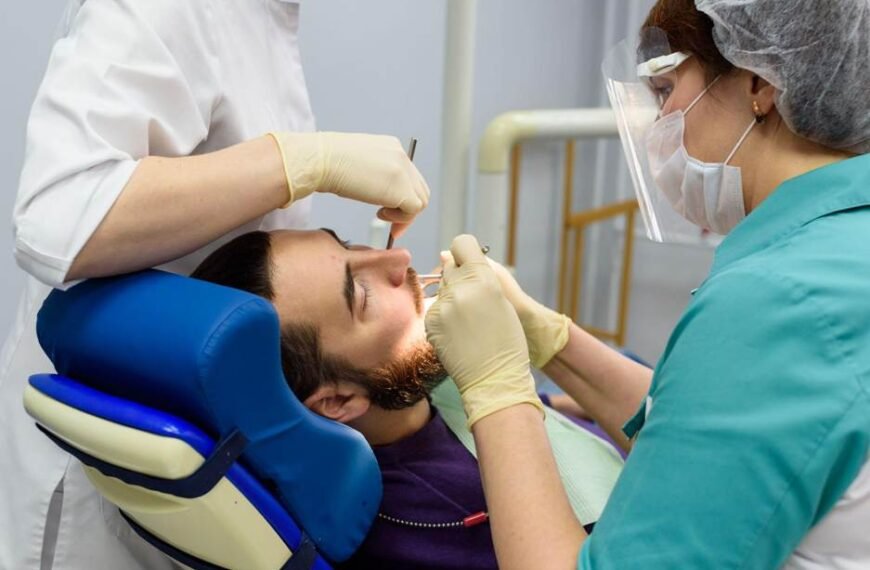
Composite bonding is a cosmetic dental treatment in which a tooth-coloured resin material is applied directly to the teeth and shaped to improve their appearance. It can close small gaps, correct minor chips and cracks, even out the edges of teeth with irregular shapes, and improve the appearance of discolouration that does not respond fully to whitening.
Unlike veneers, composite bonding in Whitefield does not require the removal of tooth structure in most cases. The composite is added to the existing tooth rather than replacing it. This makes it one of the more conservative cosmetic options available and one that can, if needed, be adjusted or removed in the future.
Treatment is completed in a single appointment, though more complex cases across multiple teeth may take longer. There is no recovery period. Most patients leave the chair with an immediately visible improvement.
See also: From Lab to Laptop: The Most Searched Tech Research Trends of the Year
Why It Suits the Natural Aesthetic
The ‘vanilla girl’ aesthetic if that phrase needs unpacking centres on warmth, softness, and a kind of quiet elegance. It is the opposite of the heavily contoured, high-gloss look that dominated a few years ago. Applied to teeth, this translates to a smile that looks healthy and even without appearing clinical or unnaturally white.
Composite bonding is particularly well suited to this because the material can be colour-matched precisely to the natural shade of the surrounding teeth. A skilled clinician can use it to blend seamlessly, correcting an imperfection without making the tooth look ‘done.’ The result tends to look like your teeth, just a more refined version of them.
This contrasts with some other cosmetic dental options porcelain veneers in particular which, while capable of excellent results, require more preparation and can produce a more obviously altered look if not approached conservatively.
The Durability Question
Composite bonding in Whitefield is not permanent, and it is worth being clear about that. The material is durable and will last several years with good care, but it is more susceptible to staining and chipping than natural enamel or porcelain. Habits like biting nails, chewing pens, or consuming large quantities of staining drinks will shorten its lifespan.
With reasonable care, good oral hygiene, regular dental check-ups, and some common sense about habits, composite bonding lasts between four and eight years before any significant touch-up or replacement is needed. At that point, the process can be repeated.
This is also what makes it an attractive starting point for younger patients. It is a relatively low-commitment way to explore cosmetic improvement, with the option to move toward other treatments in the future if desired.
Who It Suits
Composite bonding works well for patients with generally healthy teeth who have specific cosmetic concerns: a chipped incisor, a small gap, uneven edges, or mild discolouration. It is not appropriate where there are underlying structural or health issues that need addressing first.
A good practitioner will always carry out a full dental health assessment before discussing any cosmetic treatment. At Whitefield Dental Practice, composite bonding is approached as part of an overall treatment plan rather than a standalone procedure which means any underlying concerns are identified and addressed before cosmetic work begins.
It is also worth noting that composite bonding works best when teeth are clean and in good health. A course of whitening before treatment is recommended, allowing the composite to be matched to a lighter, more even shade.
What the Consultation Looks Like
An initial consultation for composite bonding should involve a full examination, a discussion of your concerns and expectations, and a clear explanation of what the treatment can realistically achieve. Some clinicians use digital imaging to show a preview of the likely outcome which can be helpful for setting expectations.
You should leave a consultation feeling informed rather than pressured. If a practitioner is vague about results or the longevity of the treatment, that is a signal to seek a second opinion.
Final Thoughts
Composite bonding has found a natural home in the current aesthetic moment, one that values looking like yourself, only slightly more polished. It is accessible, relatively quick, and when carried out by a skilled clinician, produces results that are genuinely difficult to distinguish from natural teeth. If you have been curious about improving your smile without committing to something irreversible, it is one of the most sensible places to start.