The digital landscape of 2026 is moving faster than a fiber-optic pulse. If you stepped into a computer lab today, you wouldn’t just see students coding; you’d see them orchestrating AI agents, simulating quantum circuits, and auditing the ethics of “Physical AI.” The transition from high-level laboratory theory to the laptops of everyday students has happened in record time. For anyone looking to make their mark in the tech world, staying ahead of these shifts isn’t just a hobby—it’s a necessity for academic and professional survival.
When you’re knee-deep in complex projects, it’s easy to feel overwhelmed by the sheer volume of information. Many successful students rely on a trusted academic help service like MyAssignmentHelp to navigate these challenges, specifically when narrowing down specific technology research topics that carry actual weight in the current job market. Having a mentor or a professional resource to guide your focus ensures that your “lab-to-laptop” journey isn’t just about finishing a paper, but about building a portfolio that US tech recruiters will actually notice.
1. Agentic AI: The Rise of the “Silicon Teammate”
We are officially past the era of simple chatbots. In 2026, the hottest research trend is Agentic AI. Unlike older models that simply answered questions, agentic systems can reason, plan, and execute multi-step tasks autonomously. Researchers are currently obsessed with how these “agents” can collaborate with humans in “Human-in-the-loop” (HITL) frameworks.
If you are a student, your laptop is no longer just a word processor; it is a command center for AI agents that can cross-reference 500 research papers while you sleep. Research in this field focuses on “Agentic Reliability”—making sure the AI doesn’t just work fast, but works accurately without “hallucinating” data. Many learners exploring these concepts turn to platforms like Coursiv to gain a deeper understanding of how AI agents function and can be applied safely in research and education.
2. Green Computing and Sustainable Architectures
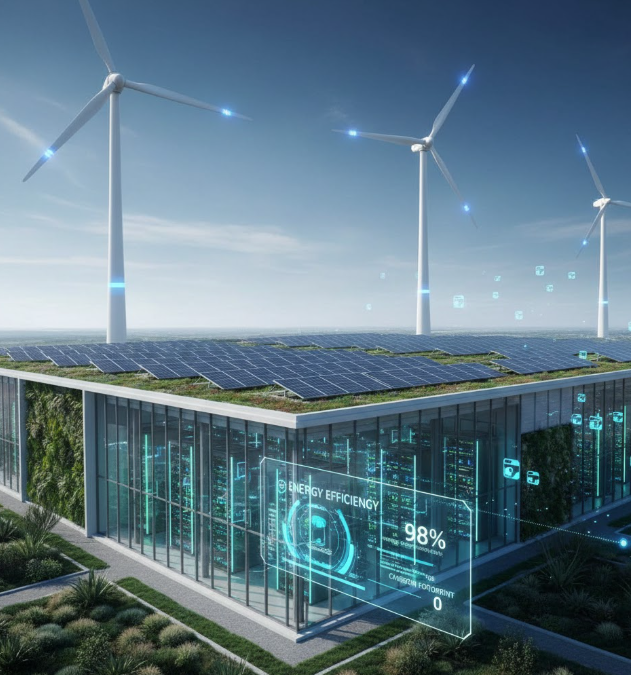
In the US, the environmental impact of massive data centers has become a top-tier political and technical issue. This year, “Green Computing” has moved from a niche topic to a primary research pillar. Engineers are looking at how to optimize code for energy efficiency rather than just raw speed.
Researching ways to reduce the “carbon cost per query” is a brilliant move for anyone entering the field. It’s a topic that bridges the gap between software engineering and environmental science, making it a favorite for interdisciplinary degrees.
3. Post-Quantum Cryptography (PQC)
With quantum computers becoming more powerful, our current encryption methods are at risk of being “broken” by the end of the decade. Consequently, one of the most searched trends this year is Post-Quantum Cryptography. Tech labs are racing to develop new mathematical puzzles that even a quantum computer cannot solve.
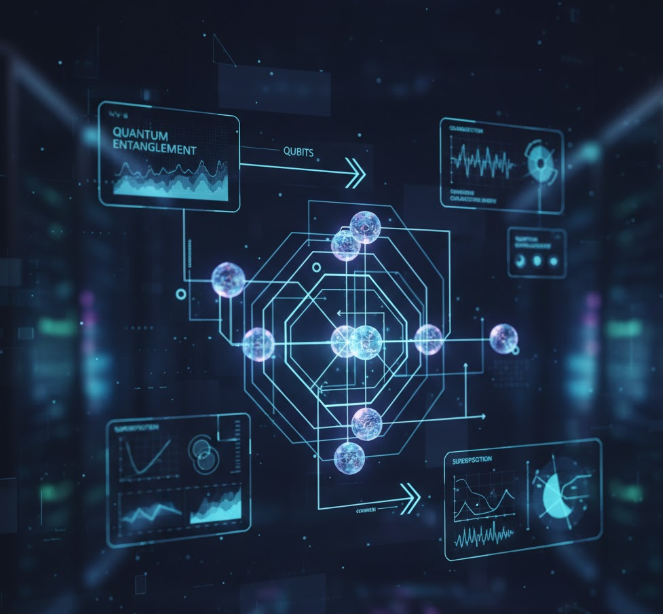
For students, this is a goldmine for research. Whether you’re looking at lattice-based cryptography or code-based systems, the goal is to make these high-level security protocols light enough to run on a standard laptop. This “Lab to Laptop” transition is vital for securing the next generation of banking and healthcare apps.
4. The “Sovereign Tech” Movement
There is a growing trend of “Sovereign Tech”—researching how to build independent, localized tech stacks that don’t rely on a few global giants. This involves open-source hardware, decentralized cloud storage, and local-first software development.
Finding the right direction in such a vast field can be tough. If you’re struggling to choose your niche, checking out a comprehensive list of technology research topics can provide the spark you need. These curated ideas often highlight the intersection of privacy and performance, which is exactly what modern “Sovereign Tech” aims to solve.
5. Neuro-Informatics and Brain-Computer Interfaces (BCI)
We are seeing a massive surge in searches related to Physical AI—specifically how technology interacts with the human body. Neuro-informatics is no longer just for medical doctors. Computer science students are now using laptops to analyze EEG data and build software for basic Brain-Computer Interfaces.
While we aren’t all “plugging in” like the movies just yet, the research into how we can use our thoughts to control digital interfaces is a top trend for 2026. This field requires a deep understanding of data science and signal processing, making it one of the most challenging—but rewarding—topics to tackle.
6. Edge Intelligence: Bringing the Lab to the Street
Finally, we have Edge AI. Instead of sending all data to a “Cloud” in another state, we are researching how to make our devices (phones, laptops, and smartwatches) smart enough to process data on the spot. This reduces “latency” (the delay you feel when using an app) and improves privacy.
The trend here is “TinyML”—training machine learning models to be so small and efficient that they can run on a $5 microchip. For a 12th-grade student or a college freshman, this is an incredibly accessible area of research because you can start experimenting with hardware that costs less than a pair of sneakers.
Why These Trends Matter for Your Career
The jump from a “Lab” theory to a “Laptop” reality is where the money and the impact are made. In the US, the “Generalist” is being replaced by the “Specialist” who understands these emerging trends. Whether you are interested in the ethics of AI or the physics of Green Tech, choosing a relevant topic today is the best way to ensure you aren’t obsolete tomorrow.
The key is to pick a trend that genuinely excites you. Don’t just follow the “hype”—follow the data. Look at what companies are hiring for, see what problems they are trying to solve, and align your research with those real-world needs.
Frequently Asked Questions
Q.1. How do these technical trends move from high-level labs to everyday use?
The transition usually occurs when complex software is optimized to run on standard consumer hardware. As processing power increases and coding becomes more efficient, tools that were once restricted to supercomputers become accessible on standard laptops and mobile devices.
Q.2. Is it necessary to have advanced hardware to study these topics?
Not necessarily. Many modern research areas, such as cloud-based AI or edge computing, allow you to experiment using basic devices. Most heavy lifting is now handled by remote servers, meaning a standard student laptop is often sufficient to get started.
Q.3. Why is there a sudden focus on sustainable computing?
As digital infrastructure expands, the energy required to power data centers has surged. Research now prioritizes “Green Tech” to ensure that future innovations do not come at a high environmental cost, making energy efficiency a key metric for new software.
Q.4. How can I stay updated on these rapidly changing fields?
The best way to stay current is to follow reputable tech journals, participate in open-source communities, and monitor industry reports. Engaging with practical projects and hands-on experiments is also much more effective than just reading theoretical papers.
About The Author
Cooper Robinson is a senior education consultant and tech analyst with over a decade of experience in academic research and EdTech. Specializing in emerging digital trends, Cooper collaborates with MyAssignmentHelp to help students bridge the gap between complex laboratory theories and practical classroom applications. When he isn’t tracking the latest shifts in AI and Green Tech, he’s mentoring the next generation of US engineers on how to turn their research into real-world innovation.