You walk into any successful store and you feel it instantly — the lighting, the music, the layout, the staff energy. It’s “the vibe” that people talk about, customers say. This ephemeral feeling has an enormous impact on our buying power, particularly for retail providers. But here’s the problem: how can you quantify something that feels so subjective?
Historically, sentiment around a brand has been measured using surveys, reviews and so on. While helpful, these tools only measure what’s being said — not in-store behavior as it happens. Today, using footfall counter and sophisticated retail analytics software technology, retailers are finding that “vibe” can actually be statistically quantified.
Let’s analyze the scenarios where data-driven insights can track brand sentiment in physical stores.
What Does “Vibe” Really Mean in Retail?
In retail, “vibe” is the emotional and psychological reaction a customer has once inside a store. It includes:
- Store ambiance and layout
- Staff interaction and service quality
- Product presentation
- Crowd density
- Ease of navigation
And when there’s a good vibe, people stay longer, return repeatedly and spend more. A negative one results in early flight and little engagement.
And although vibe may feel squishy, customer behavior inside the store tells an actual financial story. Footfall counting and retail analytics software record the behavioral signals.
Beyond Opinions: Behavioral Sentiment
Inquiries are made about how customers feel. But behavior is the measure of how they really reacted.
For example:
- Customers lingered in the store longer, did they?
- Were they a week return?
- Did they depart without giving it up, most likely to give suspects no time to panic?
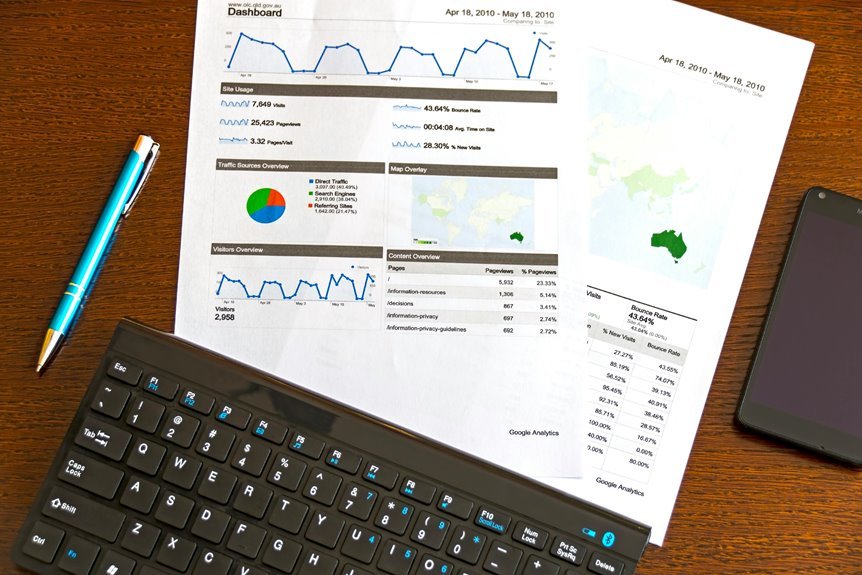
Footfall counting monitors visitor flows; retail analytics software scrutinizes dwell time, repeat visits and conversion rates. These gauges act as behavior reactions toward brand.
If they stay long and come back often, the vibe must be good — even if no survey was filled out.
Footfall Counter: The Basis for Sentiment Analysis
There is more to a footfall counter than counting in’s and out’s. Modern systems provide:
- Real-time traffic flow
- Peak hour analysis
- Visitor frequency trends
- Entry-to-exit ratios
Imagine two scenarios:
Store A:
- High foot traffic
- Long dwell time
- Strong repeat visit rate
Store B:
- Moderate foot traffic
- Short dwell time
- High bounce rate
POS software for retail uses the data from footfall counter to point out variations. Store A probably has a more succinct brand vibe than Store B.
These patterns are invisible without a pedometer.
Dwell Time: Your Emotional Size Can Kill You
One of the most powerful metrics for measuring brand sentiment is rather crude: dwell time, which refers to how long a consumer lingers in a store.
When customers feel good about the vibe, they stay longer. When they feel uncomfortable or unengaged, they leave fast.
By utilizing footfall counter data together with zone-based analysis, retail analytics software can help to identify:
- Which sections attract attention
- Which areas customers avoid
- Where bottlenecks occur
If a revamped section of your page increases time on site by 20%, it indicates better sentiment. Subjective atmosphere exchanges values with data to become something measurable.
Repeat Visits: Loyalty as Sentiment
A positive vibe leads to loyalty.
A footfall counter with retail analytics software can monitor return visit frequency (anonymously and ethically by aggregating patterns).
And if customers return in shorter periods, it indicates:
- Brand trust
- Emotional connection
- Positive store experience
Conversely, falling repeat visits indicate all is not well with sentiment.
Instead of counting on online reviews, behavioural data could be utilised to track loyalty trends in real-time by retailers.
See also: From Lab to Laptop: The Most Searched Tech Research Trends of the Year
Conversion Rate in Context
Sentiment isn’t measured only in the conversion rate. A store might have:
- High foot traffic
- Moderate conversion rate
But to the extent that retail analytics software shows that dwell time is increasing and average transaction value is rising, then brand sentiment is probably becoming more positive.
A footfall counter also assists with the calculation of actual traffic-to-sales ratios. Retail analytics software provides context by dissecting how vibe impacts purchasing decisions.
This layered form allows to draw a more clear emotional landscape.
Crowding and Comfort: Density Analytics
Crowding significantly impacts the vibe.
One store may be a hotspot for consumers, but if the population of customers is crushing, attitudes can dive.
Traffic density during peak hours is gauged by the use of footfall counter data processed using retail analytics software. In case they do, the retailers can.…
- Adjust staffing
- Improve layout flow
- Optimize checkout efficiency
Retailers play a direct role in shaping brand sentiment by controlling comfort levels.
Marketing Impact on In-Store Vibe
Digital campaigns shape expectations. If a customer shops a store for the first time after interacting online, that in-store vibe better match the brand promise.
For example:
- An upscale brand markets high-end experiences online.
- A footfall counter registered that after the campaign was activated, there were 11 visitors at a time entering the store.
- Short dwell time and low conversions are uncovered by retail analytic software.
That disconnect implies the in-store vibe doesn’t jibe with digital messaging.
When businesses align marketing calendars with stores’ behavior, they can find out if their brand sentiment stays constant across channels.
Predictive Insights: Anticipating Emotional Trends
Retail analytics software is a lot more than just studying past performance. It predicts future sentiment trends.
With historical footfall counter readings, retailers can:
- Forecast seasonal mood shifts
- Prepare for high-energy shopping periods
- Identify recurring low-engagement days
For example, if the data share a lower dwell time on weekday afternoons, retailers can offer targeted promotions or experiences to increase vibe at off-peak hours.
Relates to proactive sentiment management using predictive analytics.
Bridging Digital and Physical Sentiment
Online sentiment analysis focuses on:
- Social media comments
- Reviews and ratings
- Brand mentions
But physical sentiment resides in the store.
Footfall counter data can be combined with retail analytics software to link:
- Online campaign engagement
- In-store visit spikes
- Dwell time trends
- Conversion performance
It’s a state-of-the-art omnichannel sentiment analysis that helps keep the “vibe” uniform in all touchpoints.
Real-World Example
Think of a fashion retailer refurbishing its anchor store.
After the redesign:
- Footfall increases by 18%
- Dwell time rises by 25%
- Repeat visits grow steadily
- Conversion rate improves moderately
Retail analytics software pinpoints positive behavioral shifts and improvements that are being fueled by the new atmosphere. And even as customer reviews stay the same, data shows better brand sentiment.
Which is to say: All hail the vibes, for they do leave footprints, if not rational traces.
The Limits of Measurement
Although footfall counter systems and retail analytics software are great, they’re not a replacement for qualitative feedback.
Human emotions are complex. Data documents patterns, not people’s stories. The best strategy combines:
- Behavioral analytics
- Customer feedback
- Staff insights
- Social listening
All together, the tools make up a nuanced brand sentiment measurement.
Conclusion
Determining the “vibe” may seem abstract but modern retail technology would disagree.
A footfall counter tracks how customers move, linger and come back. Retail analytics software translates those movements to reveal patterns associated with emotional engagement. Meaning dwell time, how many times someone returns to your site, traffic density and what does sharing on a particular site mean regarding conversion: All of those together say whether people feel involved with your brand or not.
Vibe starts with a feeling, but it blooms into behavior you can quantify.
When merchants mine the information provided by visitor numbers, footfall counters and retail analytics software they don’t really take a shot in the dark about how their customer base feels – they actually know it, tweak it and diversify/broaden its strategic implementation.
Even brand sentiment can be quantified in the age of data-driven retail.
FAQs
1. Is there actually a retail-borne method for measuring brand sentiment?
Yes. It can’t read human emotions, of course, but retail analytics software drudges up behavioral cues (dwell time and repeat visits) to make a call on brand sentiment.
2. How does a footfall counter factor in measuring vibe?
A footfall sensor monitors the number and behavior of visitors, giving you a basis for evaluating customer interaction and satisfaction.
3. What is dwell time and how is it relevant?
Dwell time refers to the amount of time visitors spend inside a retail establishment. Generally there is a positive brand sentiment and high engagement with longer time on site.
4. Is there any retail analytics software that can predict sentiment changes?
Yes. With access to historical footfall counter information, retail analytics software is able to predict trends and assist retailers in enhancing customer experience proactively.
5. Does behavioral data trump surveys?
Behavioral data gives us immediate, quantitative insights. But customer feedback paired with retail analytics software is the fullest picture of sentiment.